LogoFORGR
ExplorePricing
LogIn
Consistent character AI
What it means

Consistent character AI is the ability to render the same character, the same face, the same build, the same style, across many separate generations, scenes, and models, so the character behaves like a cast actor instead of a fresh interpretation of a text prompt.

It is the one capability that separates AI images from AI storytelling. A short film, a YouTube series, a music video, a brand campaign: every one of them collapses the moment the audience notices the lead's face changed between shots. For a single image, consistency is a nice-to-have. Across a forty shot narrative, it is the whole job.

Eight briefs, one face.

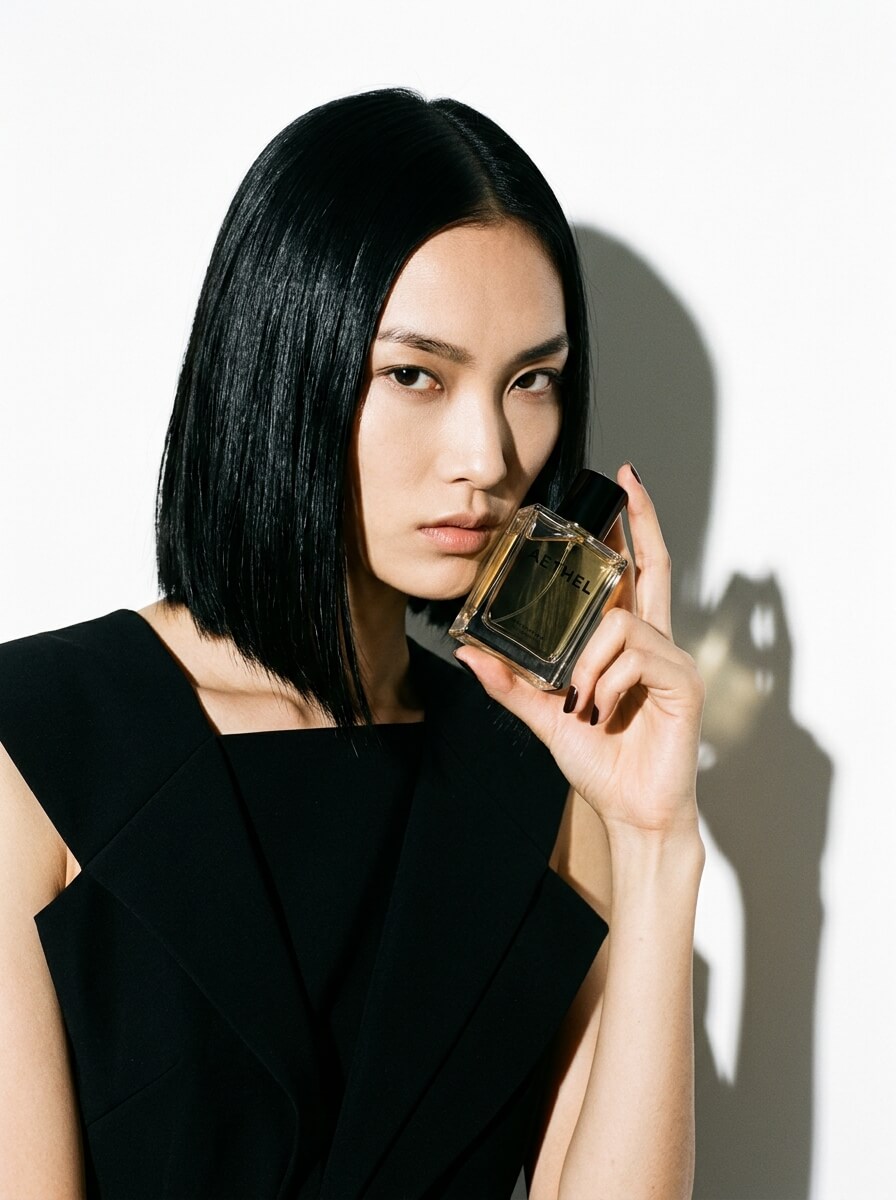
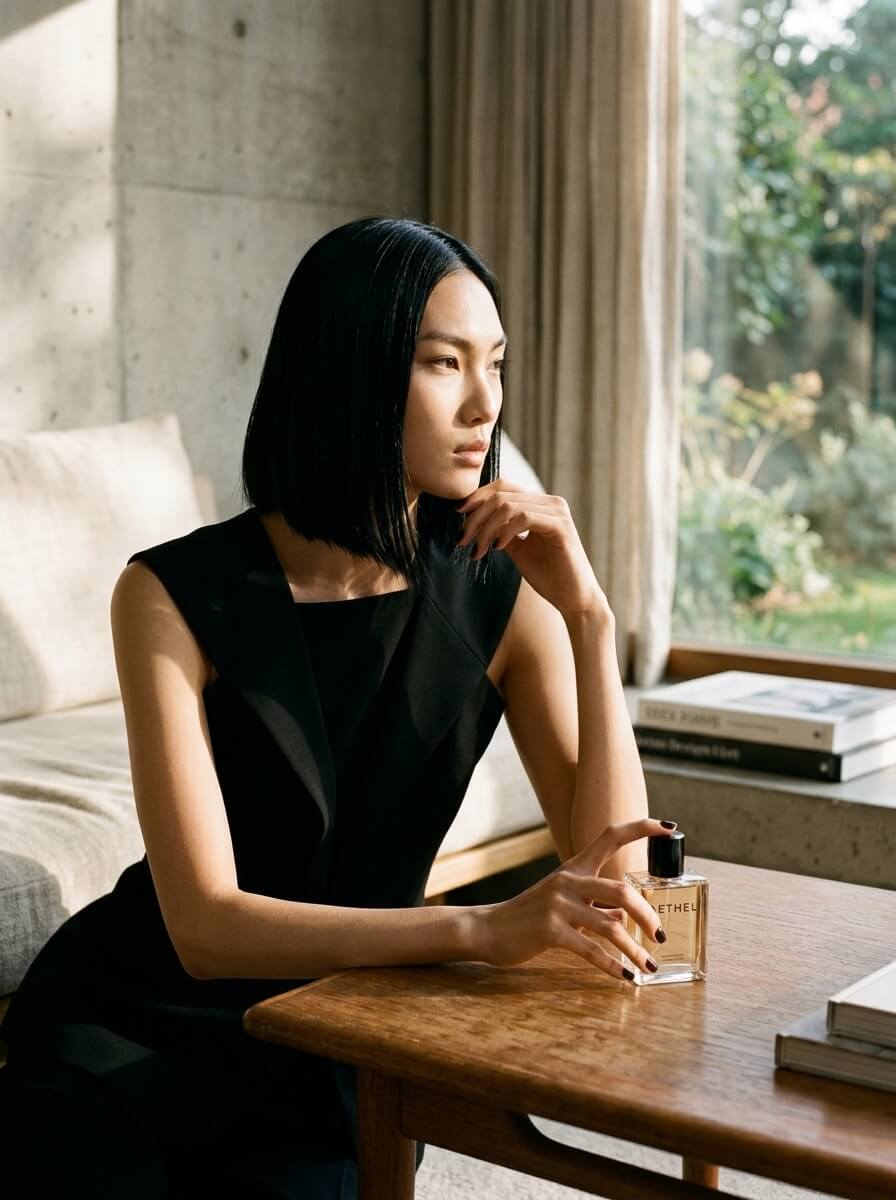
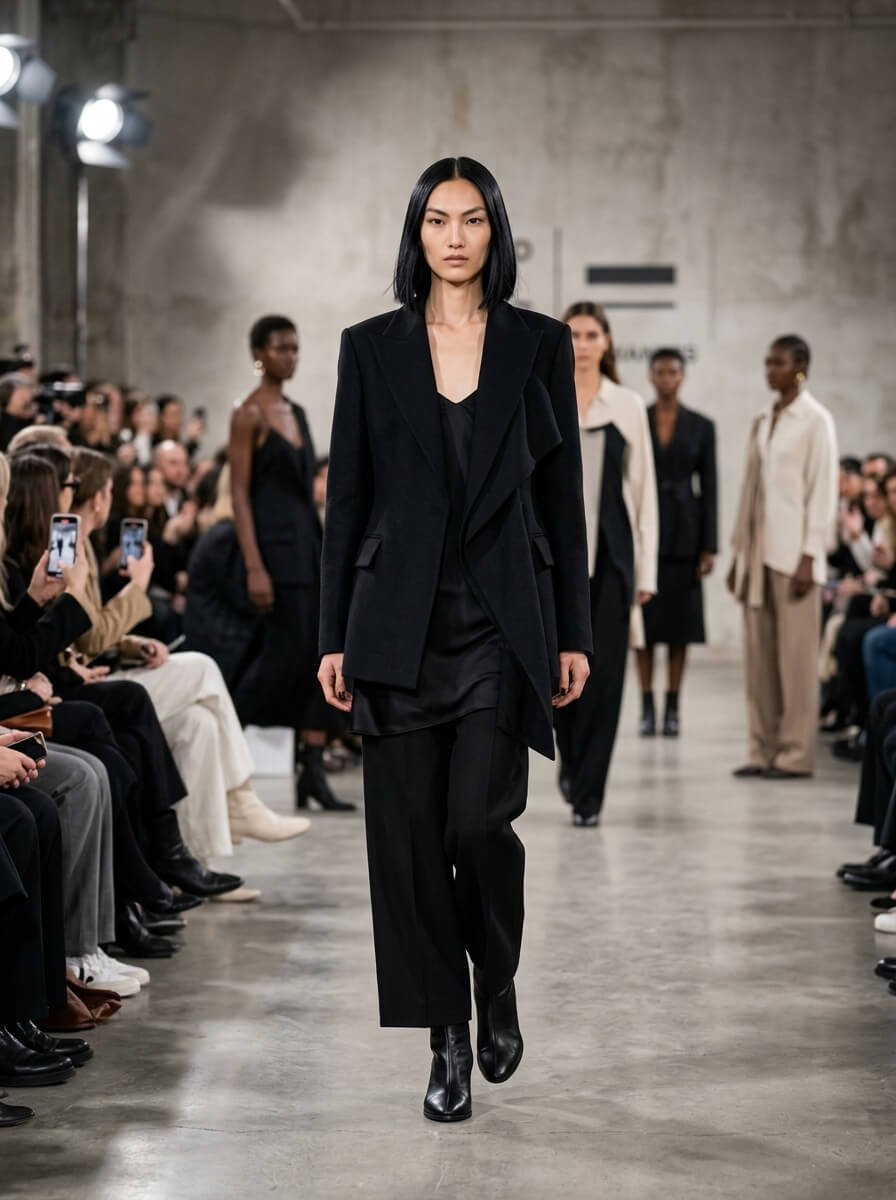
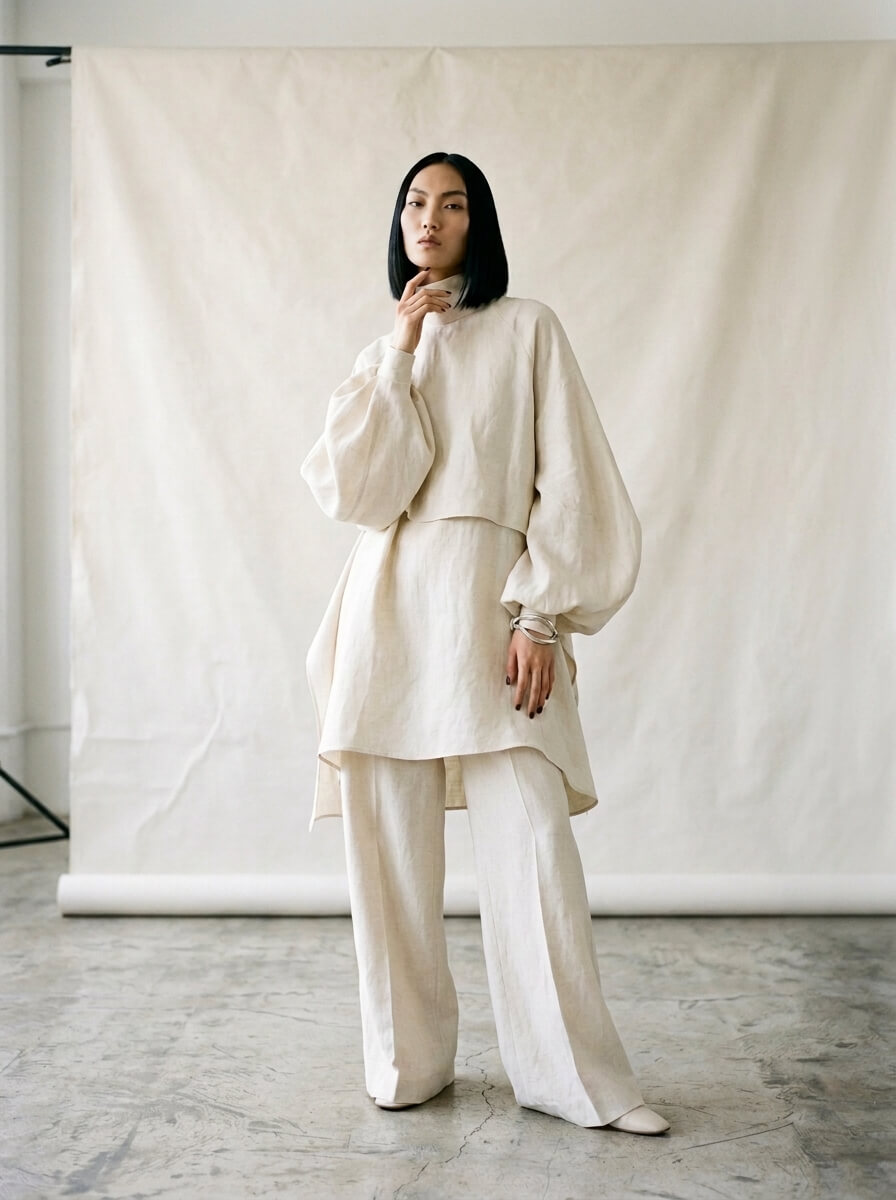
This is consistency at the scale real work demands. Fragrance, specialty coffee, a runway show, leather goods, resort travel: eight separate briefs, eight unrelated clients, the same character in every frame. Nothing here was re-cast, re-described, or re-rolled until it matched.

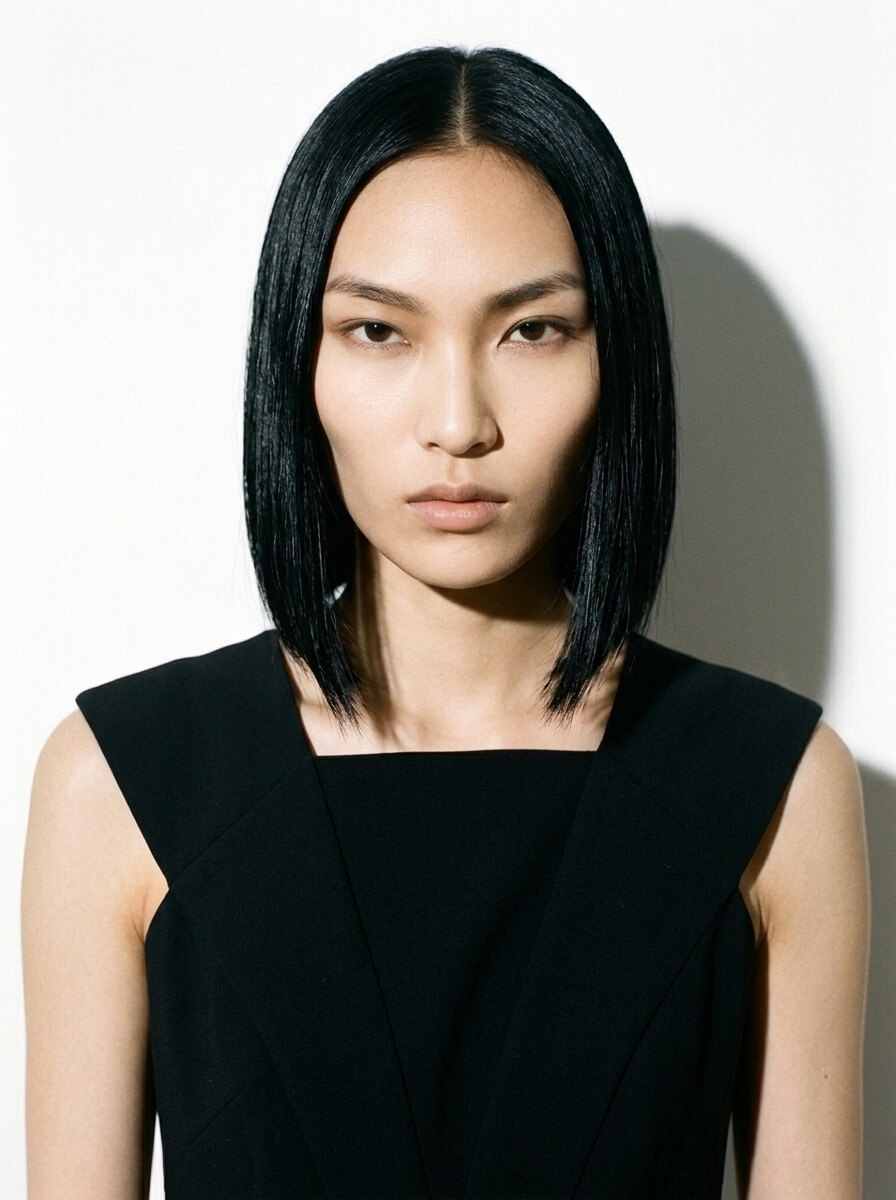
AI character designed in the FORGR Character Studio, a close studio portrait
  1. The same AI character holding a fragrance bottle against a white studio wall
    01Fragrance
    Brief
    Fragrance campaign
    Wardrobe
    Black sculpted dress
    Location
    Studio, white wall
  2. The same AI character tasting coffee at a roastery counter
    02Specialty coffee
    Brief
    Specialty coffee
    Wardrobe
    Oat linen blazer
    Location
    Roastery counter
  3. The same AI character seated by a window with a fragrance bottle on a wooden table
    03Fragrance, at home
    Brief
    Fragrance, at home
    Wardrobe
    Black sculpted dress
    Location
    Concrete interior
  4. The same AI character walking a runway in black tailoring before a seated audience
    04Runway show
    Brief
    Runway show
    Wardrobe
    Black tailoring
    Location
    Show space, front row
  5. The same AI character in a cream linen set against a canvas studio backdrop
    05Linen editorial
    Brief
    Linen editorial
    Wardrobe
    Cream linen set
    Location
    Studio, canvas backdrop
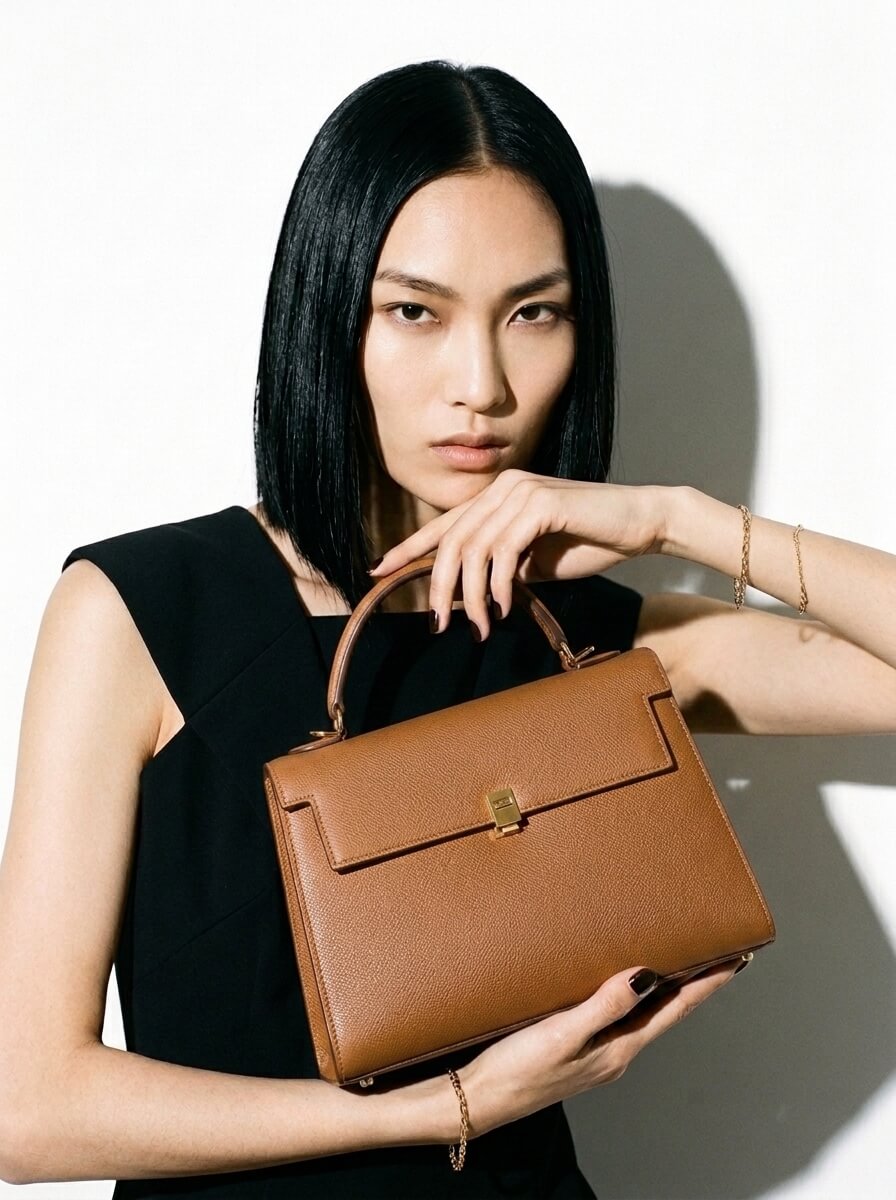
  6. The same AI character in a black dress presenting a tan leather handbag against a studio wall
    06Leather goods
    Brief
    Leather goods
    Wardrobe
    Black sculpted dress
    Location
    Studio, hard light
  7. The same AI character seated on a cafe terrace with a canvas tote bag
    07Tote campaign
    Brief
    Tote campaign
    Wardrobe
    Ivory linen jumpsuit
    Location
    Cafe terrace, olive trees
  8. The same AI character seated under a pergola in a navy linen dress and straw hat
    08Resort travel
    Brief
    Resort travel
    Wardrobe
    Navy linen, straw hat
    Location
    Countryside pergola

Cast a character that survives the whole campaign.

Design it once and it is there for every brief that follows, at the same face every time.

Why characters drift

Every render is a fresh draw from noise.

Generative models do not remember. Each image or clip is sampled from random noise, guided by your prompt. Write "a woman in her thirties with auburn hair and green eyes" twice and you get two different women who both match the description. The prompt constrains the space of possible faces; it never pins down one face. Seeds narrow the randomness, then break the moment you change the scene, the aspect ratio, or the model.

The problem compounds across models. Every model has its own visual dialect: Flux renders skin differently than Seedream, Veo lights a face differently than Kling. A character who survives ten generations inside one model can still fall apart the moment a shot needs a different engine, which real narrative work always does. That is why consistency has to live above the models, as an asset the pipeline carries, rather than inside any single one.

What actually works

Three techniques, honestly ranked.

Fragile

Prompt recipes and seeds

Free and universal: describe the character in exhaustive detail, reuse the wording, lock the seed. It narrows the drift without ever closing it, because every model still reinterprets the text. Fine for a one-off pair of images, unusable for a forty shot story.

Real people only

Photo-trained digital doubles

Train on twenty or more photos of a real person and you get a stable digital double. It is strong when the character is you, but it needs a real person's photo set and the rights to use it, and it usually lives inside one platform's model lineup.

Built for stories

Character-first pipeline

Design the character as an asset: an original face from a parametric generator, or a LoRA trained on your own images, then attach it to every generation. This is FORGR's approach, and it is the only one of the three that survives switching between image models and video engines.

One look, the whole shot list.

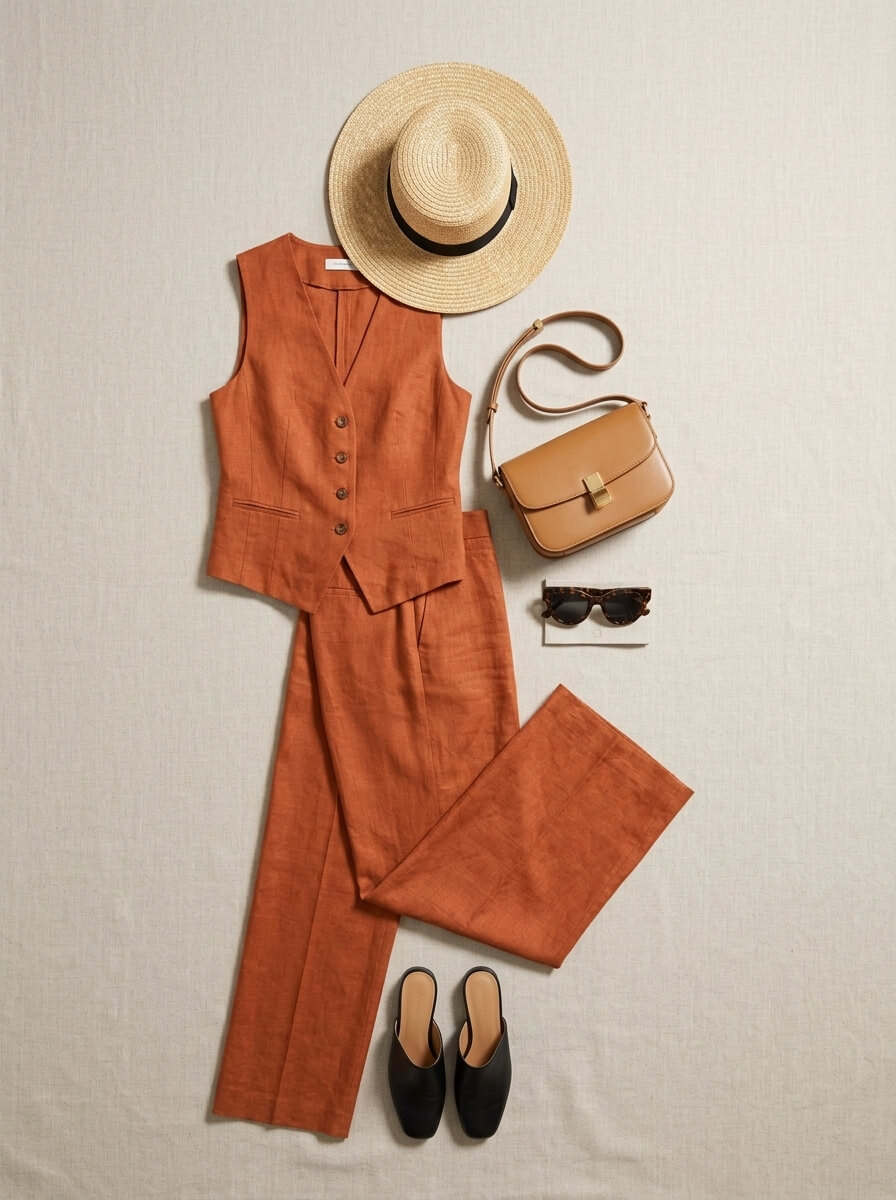
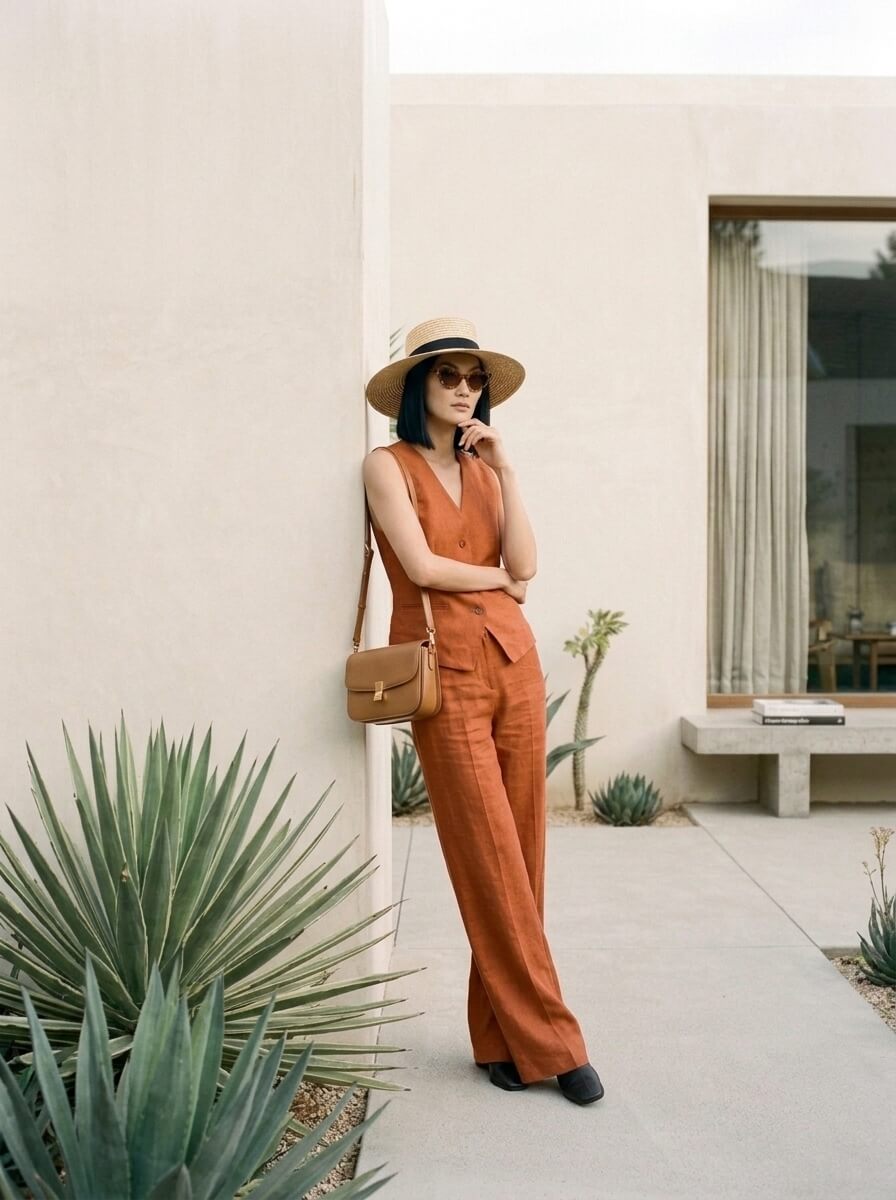
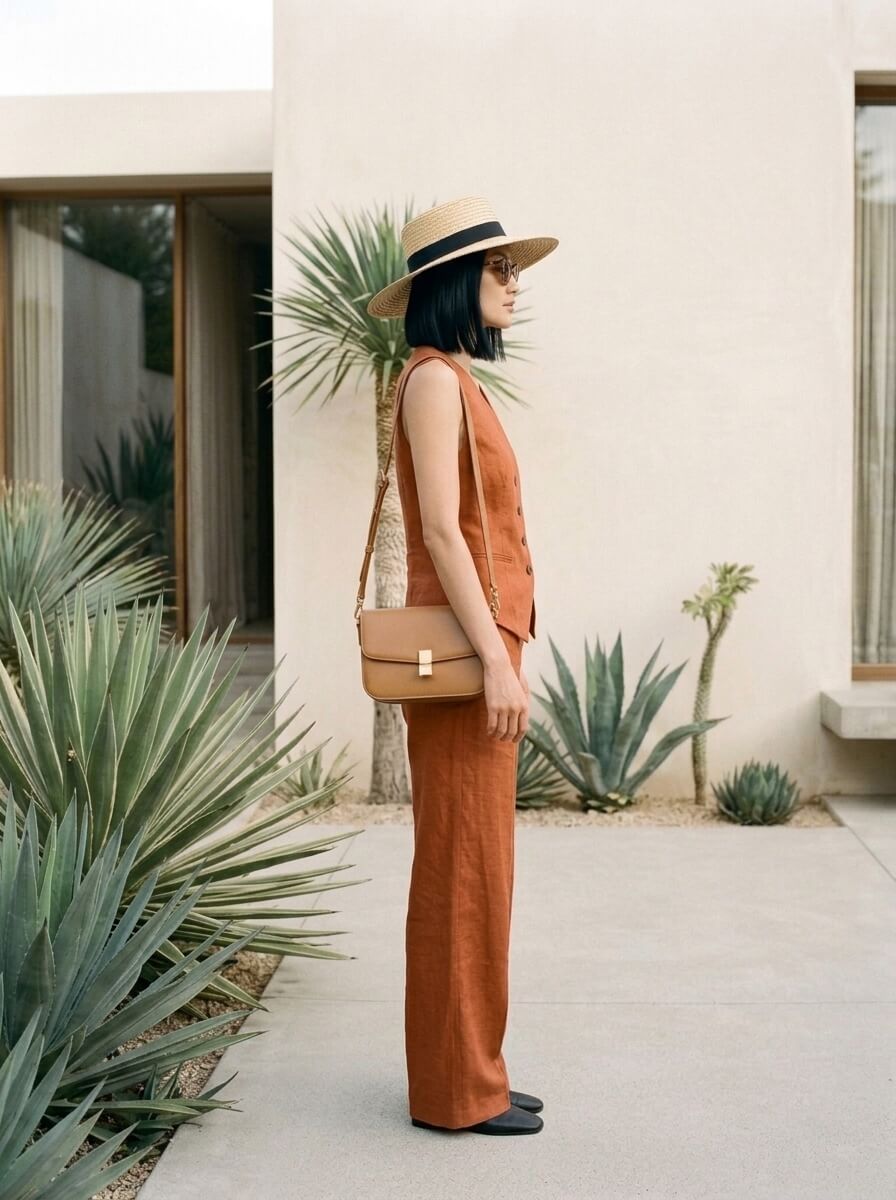
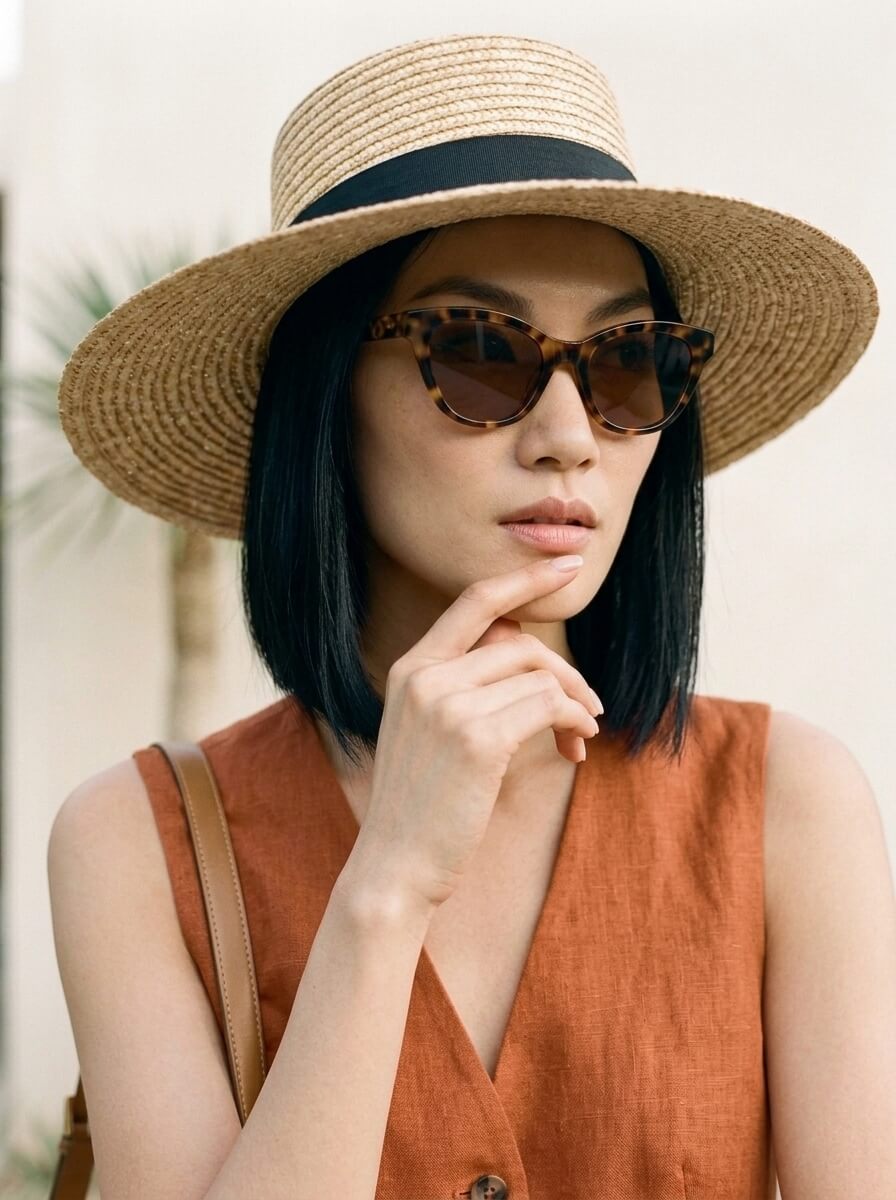
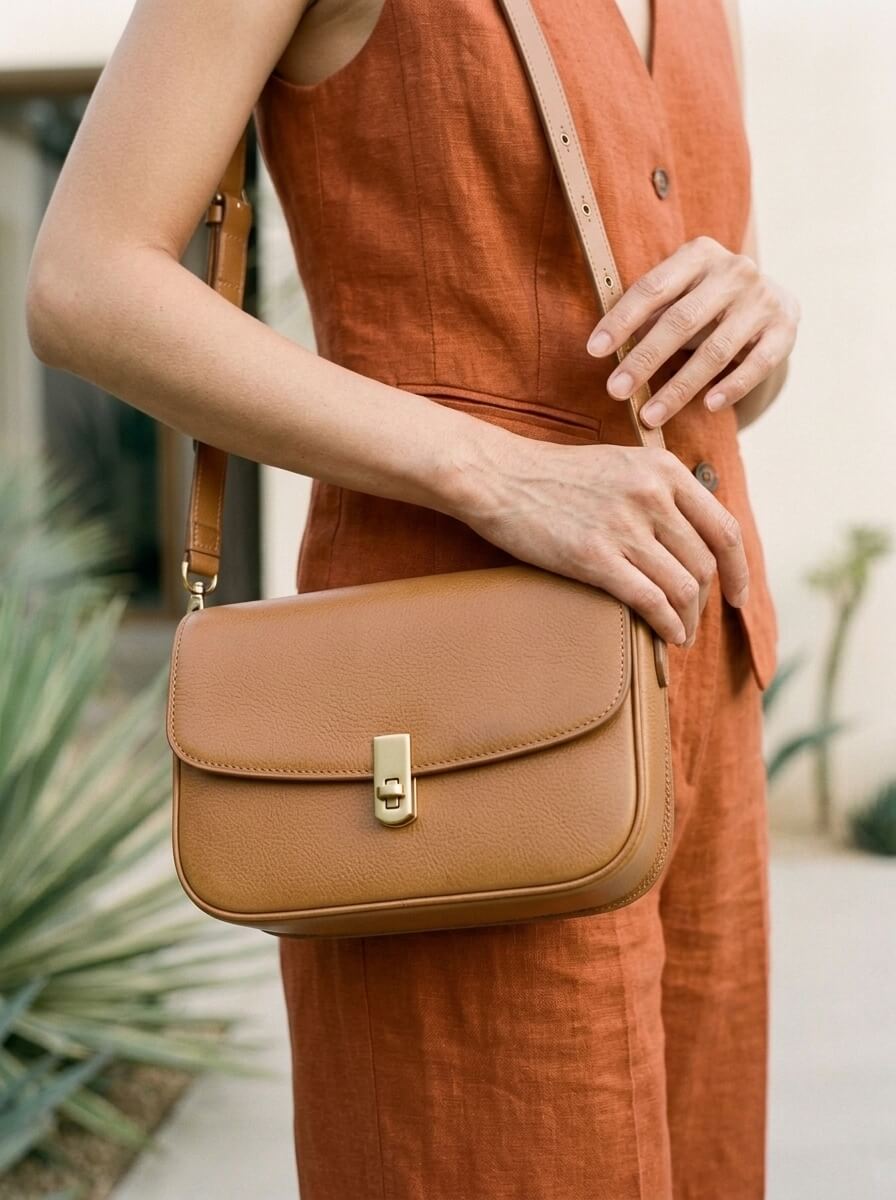
Consistency is not only about holding a face together across months of briefs. It is also about holding one scene still while the camera moves. Same character, same terracotta linen, same desert house, same light: full length, leaning, profile, rear, low angle, close up, product detail, and the styling flat lay.

The full terracotta linen look, straw hat, tan bag and mules laid out flat as the styling reference for the scene
  1. The scene shot at eye level, head to toe, outside the desert house
    01Full length
    Setup
    Eye level, walking
    Framing
    Full figure
  2. The same scene shot at eye level with the character leaning against a stucco wall
    02Leaning on surface
    Setup
    Eye level, leaning
    Framing
    Full figure
  3. The same scene shot from the character's left side in full profile
    03Left profile
    Setup
    Profile, left side
    Framing
    Full figure
  4. The same scene shot from behind as the character walks toward the house
    04Rear, walking
    Setup
    Rear, walking away
    Framing
    Full figure
  5. The same scene shot from a low angle looking up at the character against the sky
    05Low angle
    Setup
    Low angle, hero
    Framing
    Full figure
  6. The same scene cropped tight on the character's face beneath a straw hat
    06Close up
    Setup
    Close up, portrait
    Framing
    Head and shoulders
  7. The same scene cropped tight on the tan leather shoulder bag
    07Product detail
    Setup
    Detail, product crop
    Framing
    Bag and hands

Consistency is not only faces: products hold too.

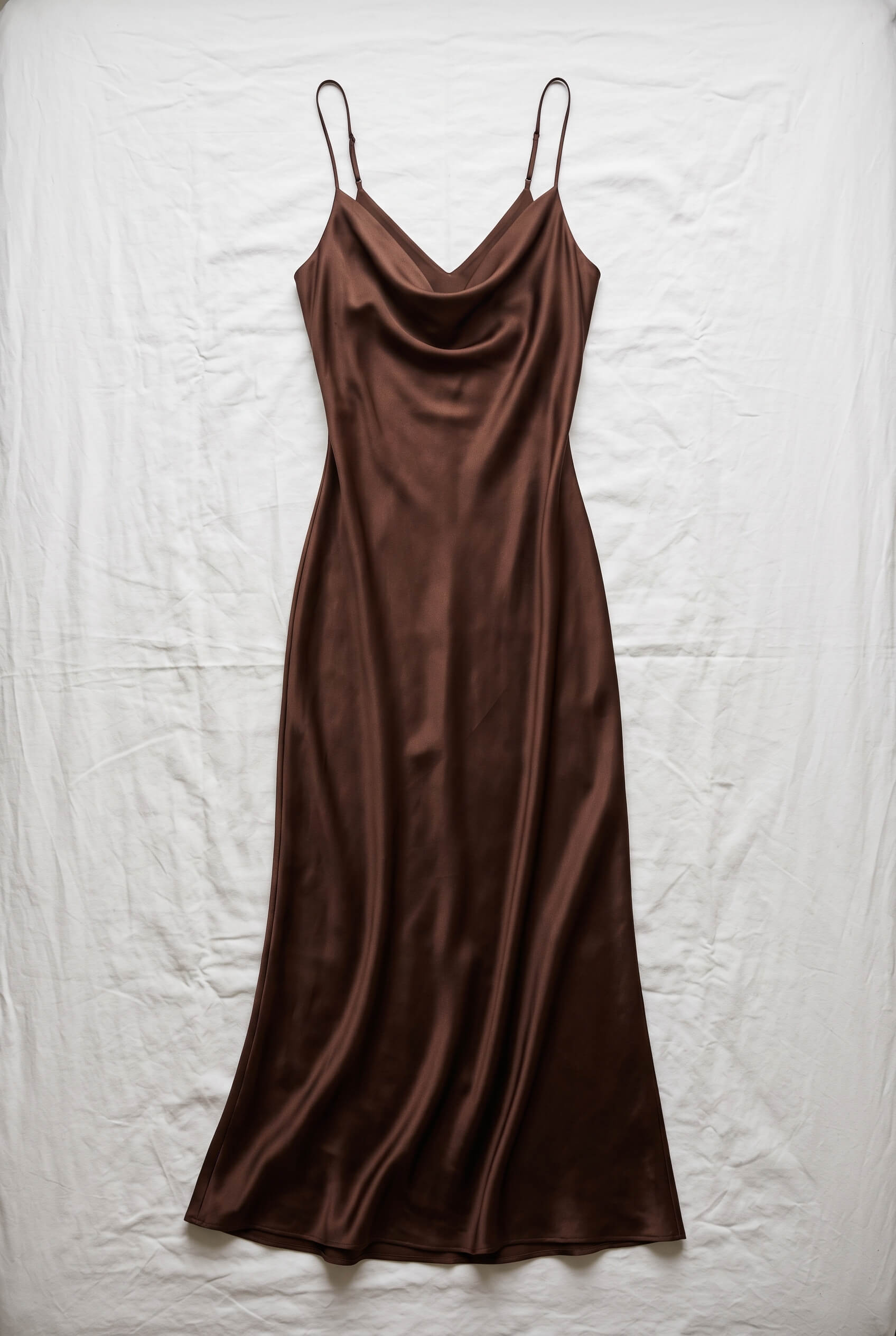
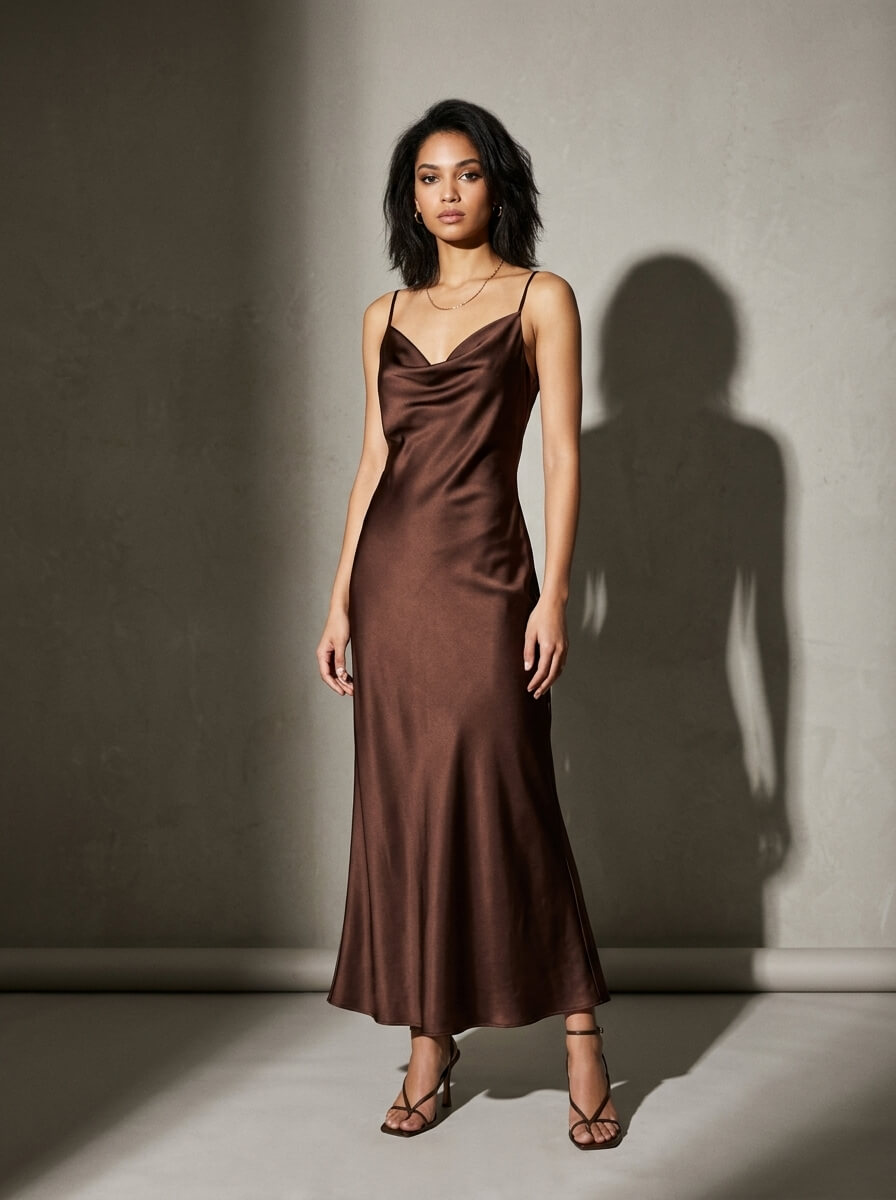
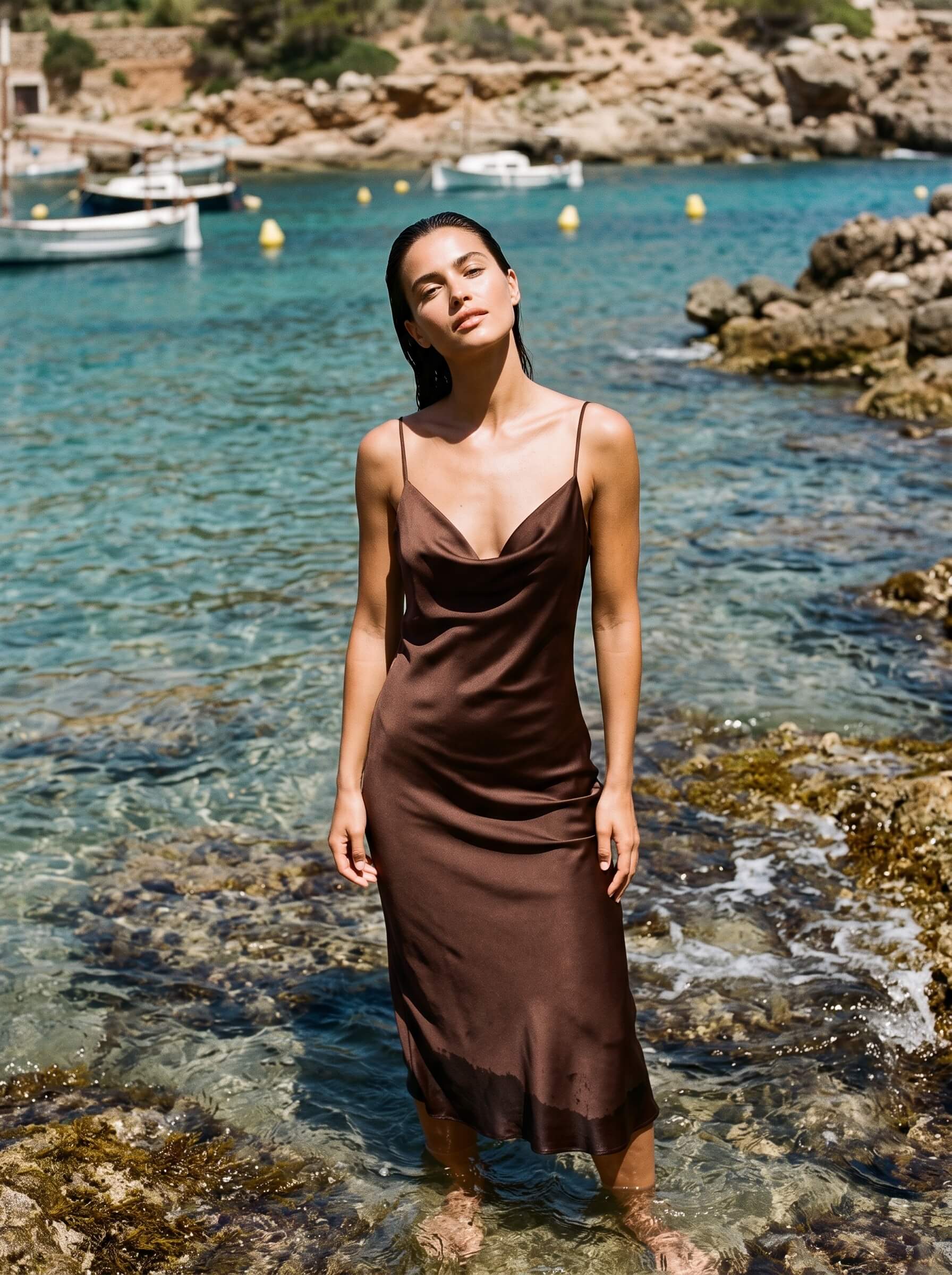
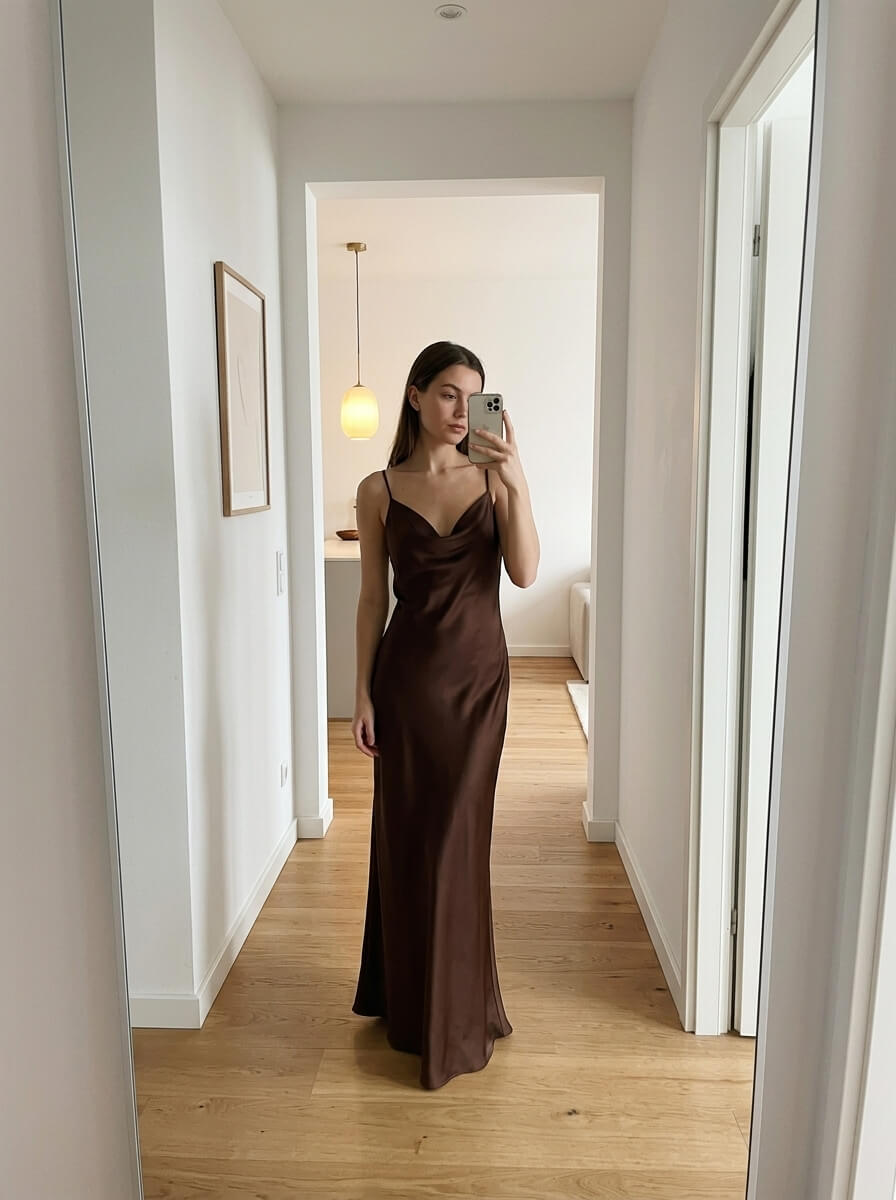
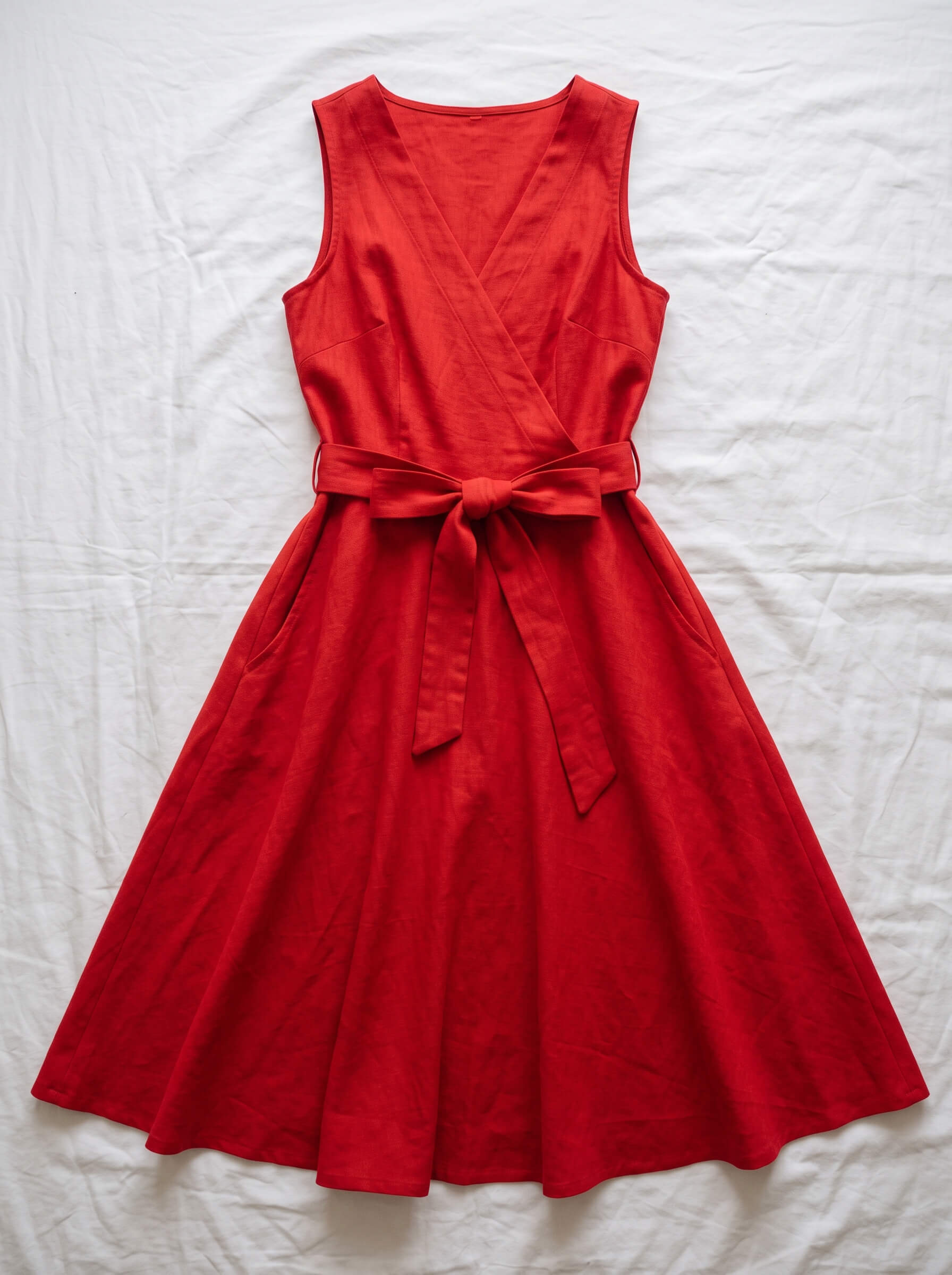
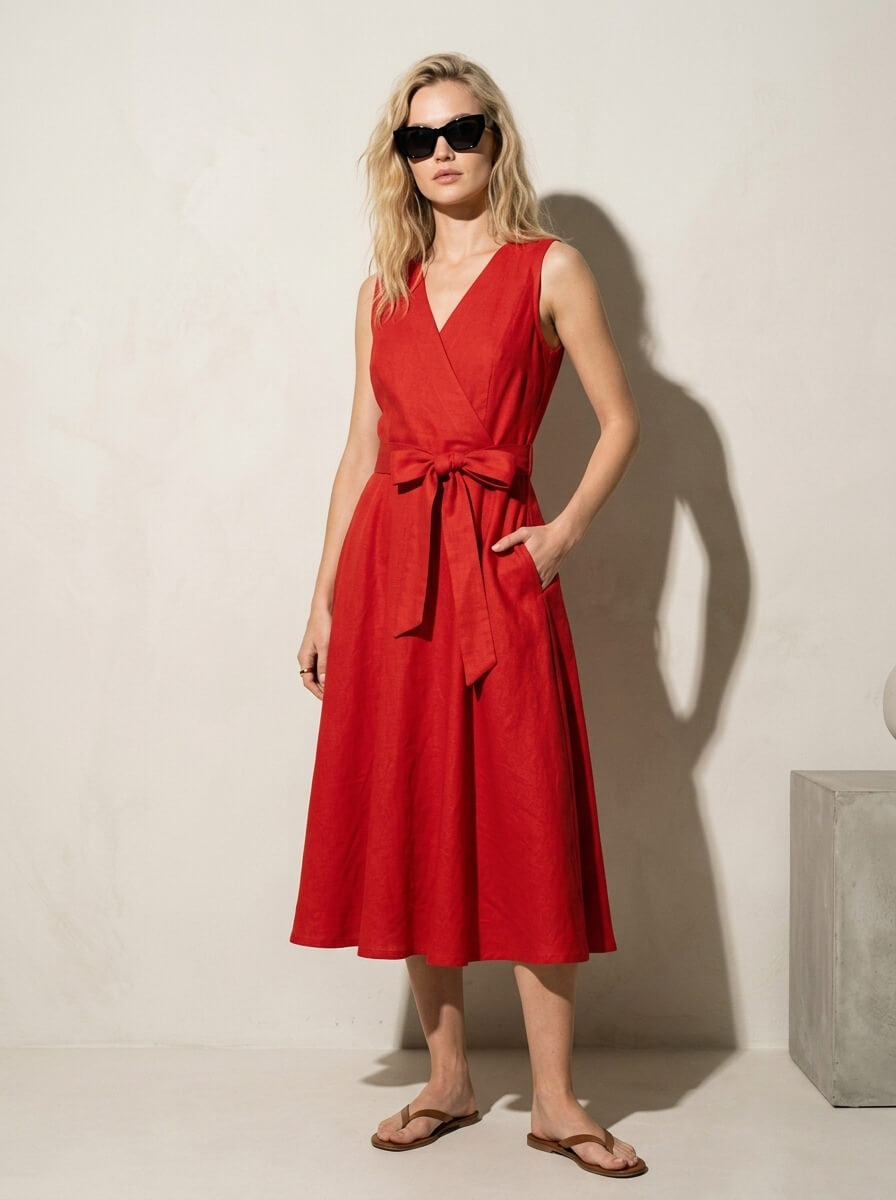
Reference-aware generation is the second technique that works, and it applies to anything you can photograph. Send a flat lay in once and the garment stays the same garment: the same drape, the same color, the same seams. Six frames below, six different people, two dresses.

Brown satin slip dress photographed flat on white linen, used as the reference image
LockedBrown satin slip

The reference image, sent in once.

  1. The same brown satin slip dress worn by a character in a studio with a hard cast shadow
    Cast
    Dark wavy bob
    Location
    Studio, hard shadow
  2. The same brown satin slip dress worn by a different character standing in a shallow sea cove
    Cast
    Wet-look brunette
    Location
    Balearic cove
  3. The same brown satin slip dress worn by a third character in an apartment hallway mirror
    Cast
    Long straight brunette
    Location
    Apartment hallway
Red linen wrap dress with a tie belt photographed flat on white linen, used as the reference image
LockedRed linen wrap

The reference image, sent in once.

  1. The same red linen wrap dress worn by a character against a plaster studio wall
    Cast
    Blonde, sunglasses
    Location
    Studio, plaster wall
  2. The same red linen wrap dress worn by a different character reclining in a glasshouse
    Cast
    Auburn brunette
    Location
    Victorian glasshouse
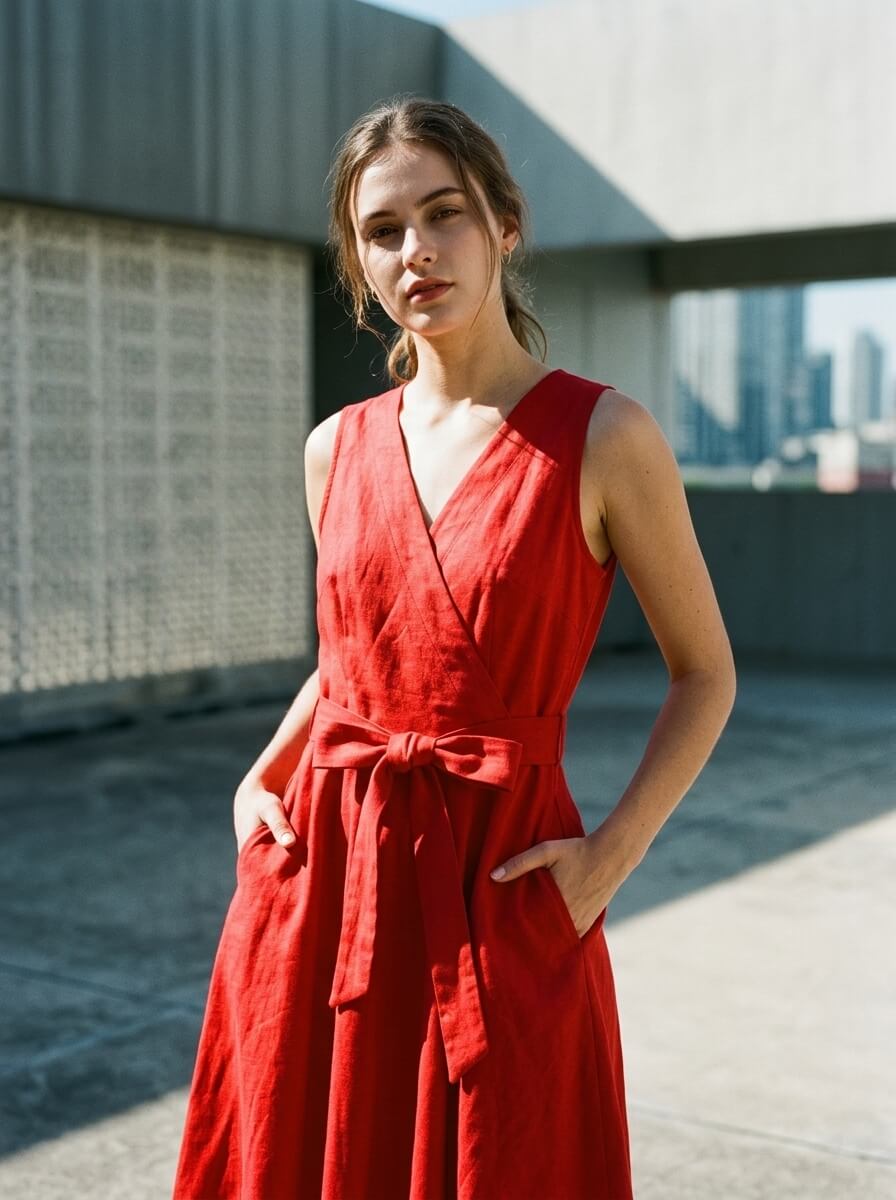
  3. The same red linen wrap dress worn by a third character on a concrete rooftop
    Cast
    Brunette, low bun
    Location
    Concrete rooftop

Bring your own garment. Cast anyone you like.

Reference-aware generation keeps the product identical while the rest of the frame changes.

How it works

Cast once, direct everywhere.

  1. 01

    Cast

    Design an original character from 30+ structured parameters, or train a LoRA on your own image set for 800 credits. Either way you finish with a reusable character asset instead of a prompt you retype and hope about.

  2. 02

    Direct

    Attach the character and prompt each scene: new settings, outfits, lighting, camera language. The identity carries through stills for storyboards and into video with Veo 3.1 in 4K, Kling v3 multi-shot, or Seedance 1.5 Pro.

  3. 03

    Continue

    Chain shots with reference-aware generation, passing frames between generations so shot 12 still matches shot 1. One credit wallet covers the whole pipeline, and unused credits never expire.

No photos

And no real person was involved.

Nothing on this page is a stock model or a photograph of a real person. Every character here was designed from parameters, which is what makes consistency available for fictional casts and brand faces, not just for people who own a photo set of themselves.

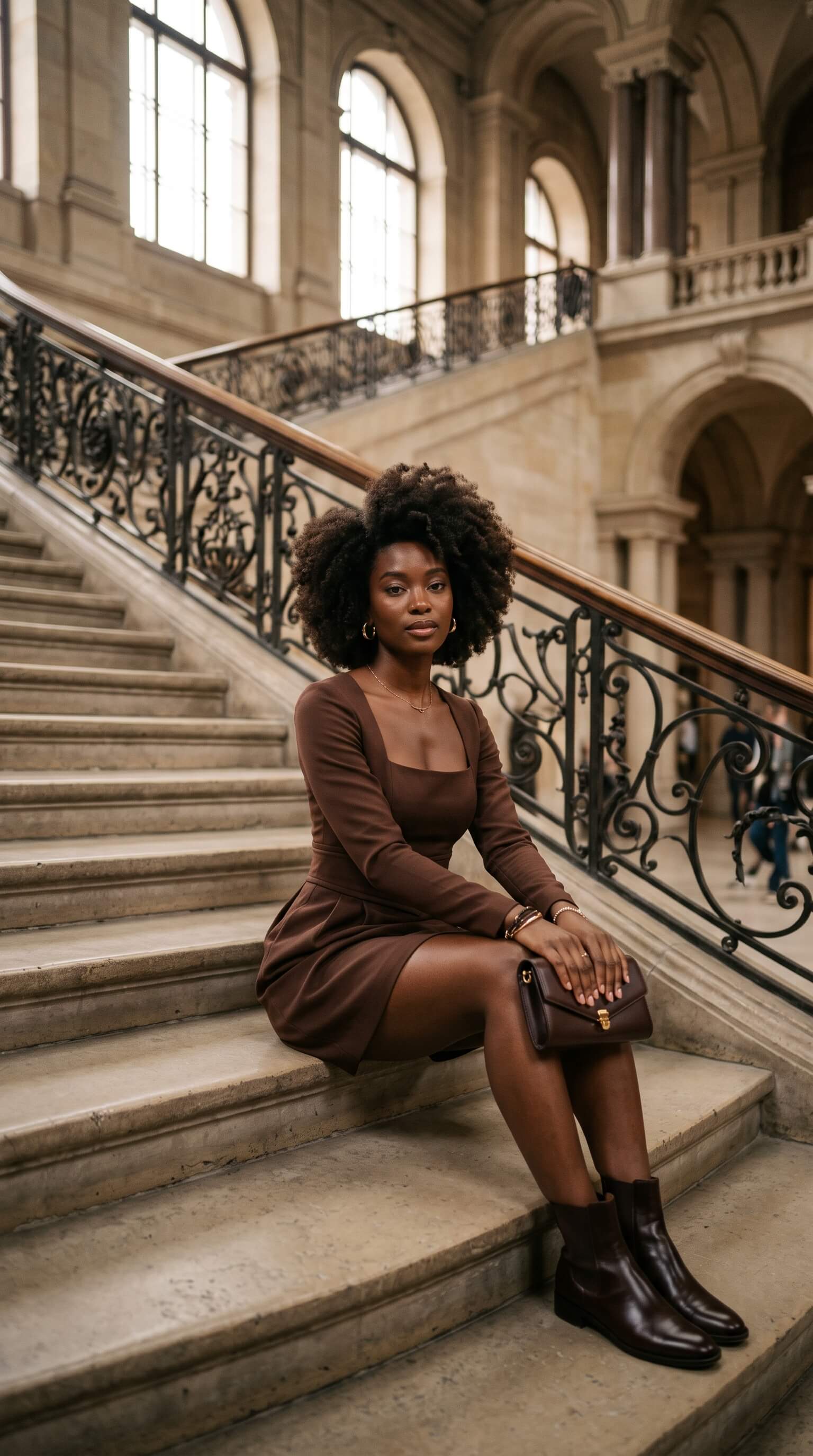
  • AI character in a brown dress seated on a grand stone staircase, generated in FORGR

    Designed from scratch, no source photos

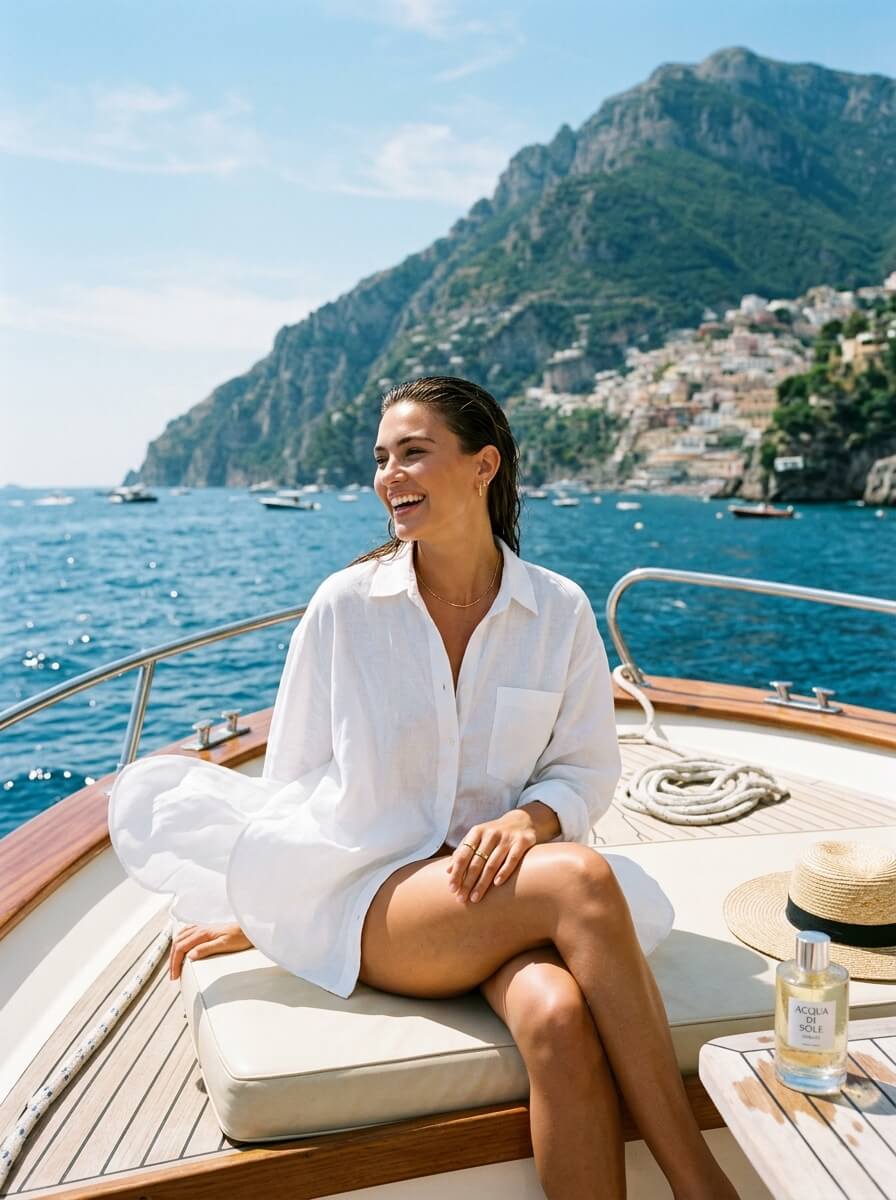
  • AI character laughing on a boat off a coastal town with a fragrance bottle beside her

    Same pipeline, a different face

Questions

Frequently asked questions.

Consistent characters are included on every paid FORGR plan, from $9.99 a month, with every model at every resolution. Credits never expire, there is no watermark, and you own what you generate.